Saturday, 12 September 2015

Burnaby backyard garden 2015

Burnaby backyard garden 2015 .


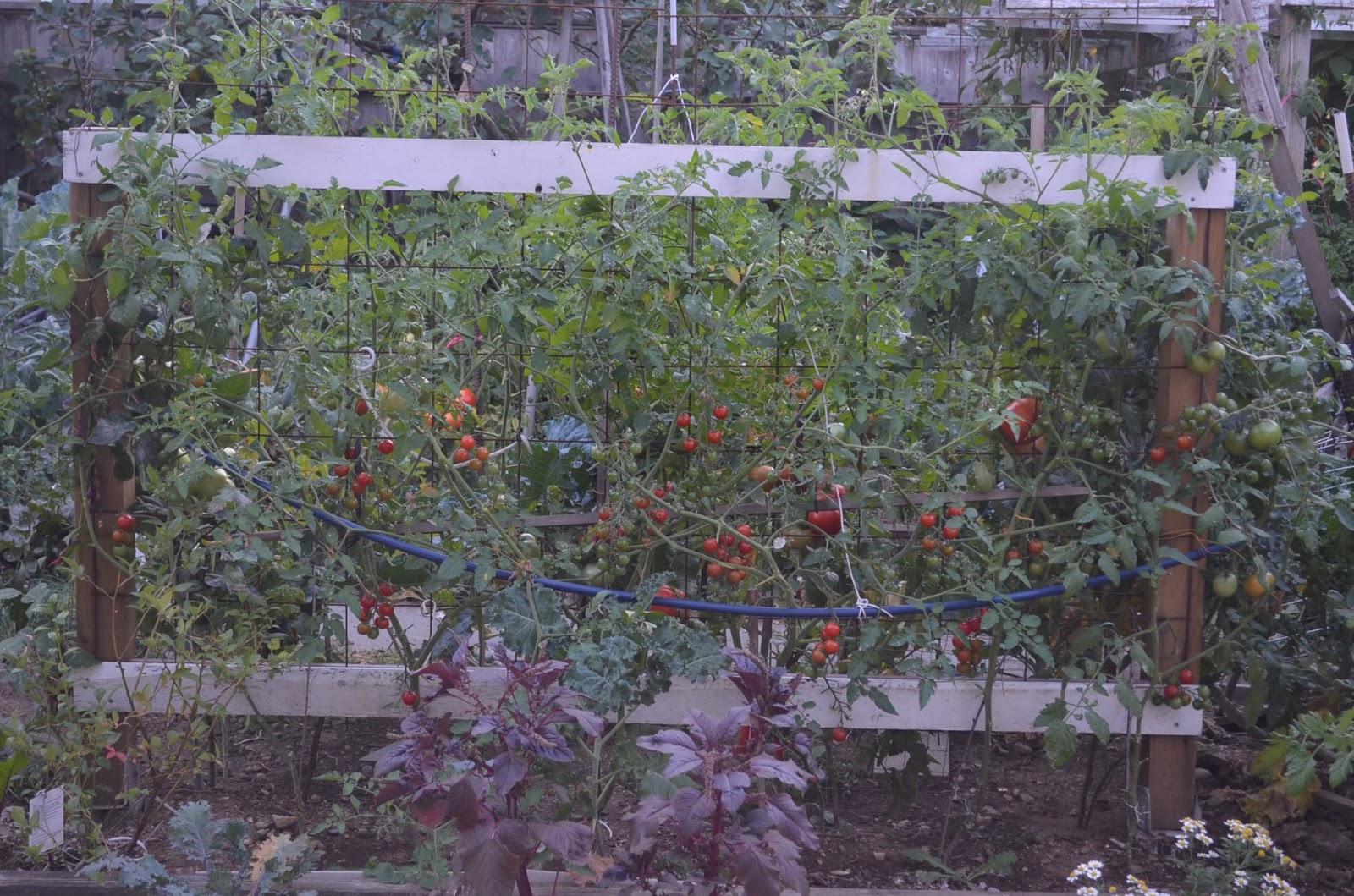
The weather was good.  Our planning went well. We have grown, kale, Swiss chard, beans, tomatoes, grapes, blueberries, strawberries, raspberries, apple, and plum in our small backyard. We shared the produce with our friends and relatives. We saved some produce for the winter months in the freezer. We kept the seeds for next year.

When thousands of backyards are wasted with weeds and grass, we fed honey bees  and humming birds with honey from the flowers, birds with seeds, raccoons  with grapes, and our friends with organic vegetables. We all share the same garden God created. We go hand in hand. There are plenty people who don't have a piece of land to grow veg. When we share our produce with our friends  they are so happy of the organic vegetables. Some of them texted " Thank you so much for the most delicious vegetables." Yes, organic food is tastier, nutritious and pesticide free.

Look at the following table, vegetables we Vancouverians import from other countries.

Country
City
Distance-KM
Vegetables and fruits
USA
California
1750
Cauliflower, broccoli, tomatoes, plum, apple
Mexico
Mexico city
4767
Tomatoes, Kale,   
China
Beijing
8572
Garlic, Ginger, egg plant
Ecuador

7132
Curry leaves
Peru

8015
Quinoa

 We can substitute  many vegetables with the locally grown  vegetables. Our old generations were living healthy with the locally grown food for centuries together. They were much healthier than us.

Why backyard veg is superior to imported veg

Research has shown vegetable we buy from supermarket loses up to 57% of nutrients on its ways from the farm to kitchen but the pesticides won't deplete that fast.   To reach the destination without spoiling, the produce is harvested  before  it is matured. Most of them are sprayed with fungicide while being transported. When imported veg is farm grown they are often sprayed with pesticide.  Imported veg are costlier than locally grown because they require chemicals or thermal control to keep the shelf life . They have to be safely transported form long distance. So locally grown is mostly pesticide free, economical,  fresh, nutrient,  and tasty.

If every household is trying to grow little in their backyard like Kale, Swiss chard, garlic, curry leaves, egg plant, tomatoes etc. we can reduce this huge imports as well save more.

 God has given the land to produce the food. Many of us won't realize it. We make huge mansions on it and a flower garden in front, mainly to show others. They realize the importance of a kitchen garden only when they are stuck with cancer or diabetes or other illness. Sometimes it is too late. By gardening  at our back yard, we did our part. We multiplied the resources and  talents God has given. If we can produce this much, you too can. We will guide and educate you to grow organic food that is delicious and pesticide free for your family and for the community. Let us build a healthy community and a healthy future generation.


Curry leaves, a tropical plant


Gold plum


Gold plum, very delicious,  very rare to be seen in the market. 


Gold plum- on the way to friends and  freezer

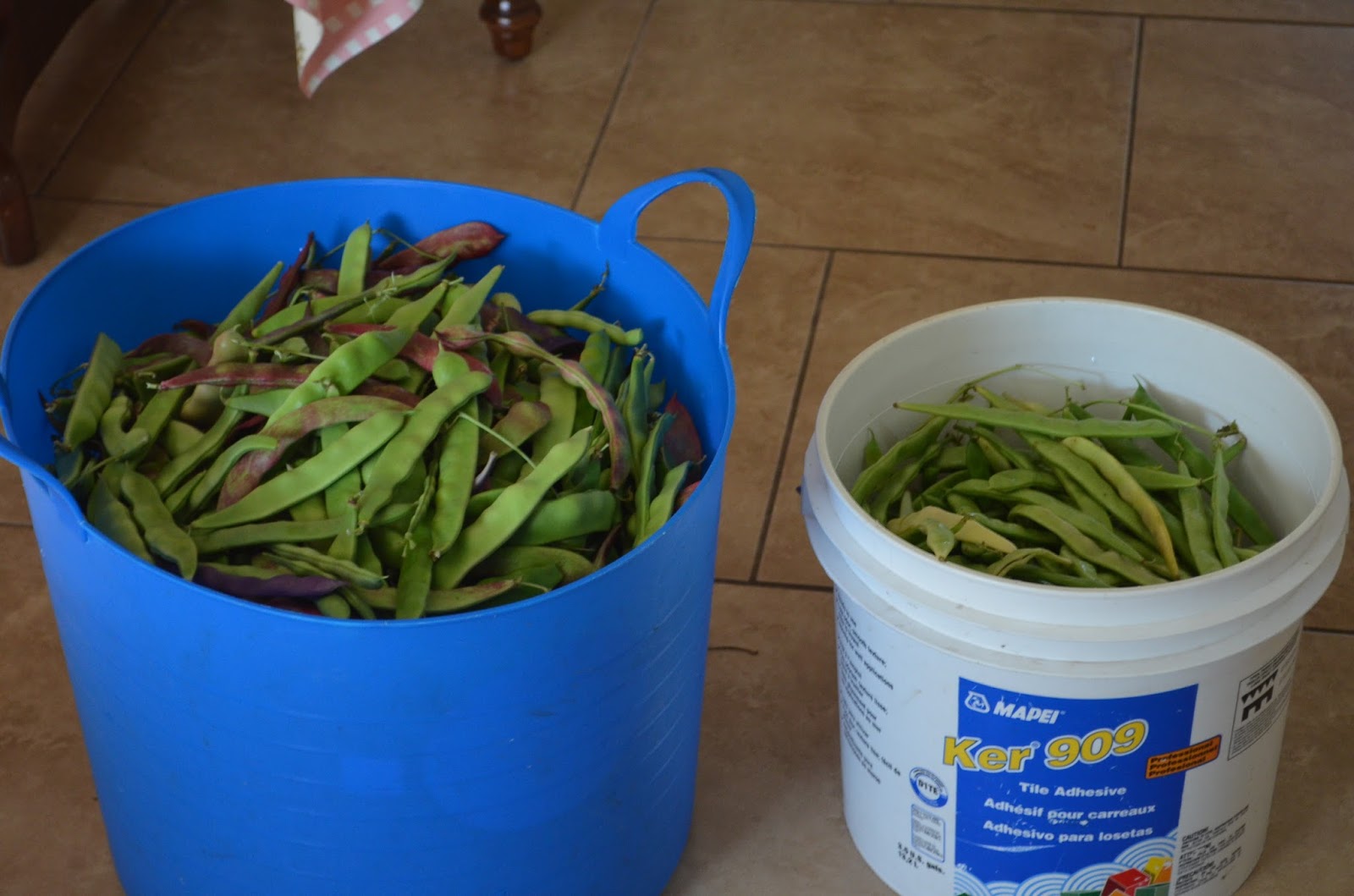
Matured pole beans. open the pod and keep in freezer for winter soups.


Most delicious yellow tomato we tasted. Lemon boy.Star of 2015

Pole beans


How we take seeds from tomato.
Kale
Fig- This tree is  the child from the biggest fig tree in Vancouver
Blue hubbard squash . Very tasty closer to kabocha squash
Blue hubbard squash cut.

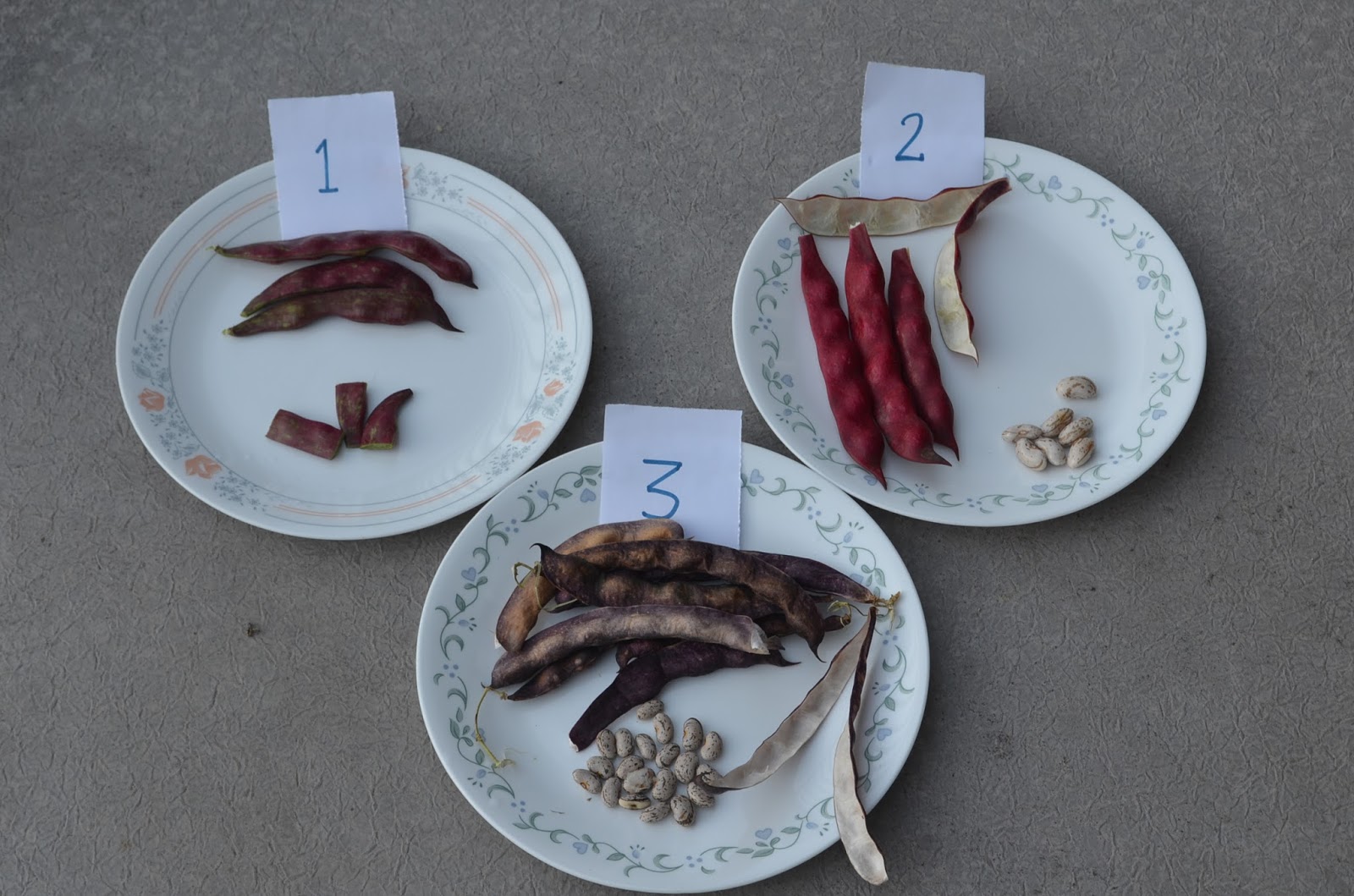
Pole beans # 1 tender for soup or  curry.
#2 ready to open . Keep in freezer for winter soup, avial and sambar.
 #3. Dried ready for seed.


Monday, 31 August 2015

Kale growers in Kerala


Kale growers in Kerala, India.
1.Curly Kale
“Kale” was a word unknown to 99.9 percent of Keralites until a few years back.  Kale is leafy vegetable in the cruciferous vegetable family. In 2008 we, a small group of farmers in Kerala tried to grow this for the first time in India.  Our trials were not smooth sailing like any other venture. But we never lost the spirit. We kept our vision of growing them in India. We kept our mission of work smart. Try and try again until we succeed was our goal.   There were pessimists who discouraged us that this is a cold weather plant, mainly grown in Europe, Russia  and North America, it may not grow in Kerala, tropical climate. But we did not lose our spirit, determination and passion.  We tried with many ways, and finally started growing them successfully, perhaps for the first time in India in Kurathicadu, Mavelikara, Kerala  in 2008.
After the first year of growing we started growing them in Trichur, Trivandrum,  Kanthallor ( Toppans garden) Munnar in a large scale, in addition to Kurathikadu . Now many people are showing interest in growing them.
Why Kale ? Why in Kerala? Why in India?
Kale grown in Munnar Kanthalloor-Toppans garden
Kale is called “super food of tomorrow” “king of leafy vegetables” “Top scorer in nutrient index”, “queen of leafy greens” and “a nutrition power house”. In his book “End of Diabetes” Dr Joel Fuhrman ranks Kale as the top scorer of 1000 in Aggregate Nutrient Index ( ANDI).
Click here to see the  ANDI index
http://www.wholefoodsmarket.com/healthy-eating/andi-guide
Kale on terrace- Kurathikadu Mavelikara
2. Lacianto kale
Kerala is called the diabetes capital of India, and cancer capital of India mainly due to malnutrition. We got plenty food, it contains mainly starch, trans-fats and calories with very few nutrients. Healthy food means nutrient content, not the calorie content. We are “overfed”, but “undernourished”.   Our experience has shown that kale is easy to grow vegetable full of almost all nutrients. Moreover nutrients in kale are easily absorbed by the body. It is our responsibility to educate, and encourage people to grow poison less vegetable  for a healthy community. Read blog – Kale the King of leafy vegetables.
Kale in Thoppans garden , Kanthalllor,Munnar Idukki year 2016
 Popular  types of Kale .
 1.Curly Kale
2.Lacianto Kale
3.Red Russian kale
4.Redbor Kale
Where do you get kale seeds?
The seed is like mustard. A little care is required in the early stage of growing, but once is grown we have seen that plant has lasted for more than five years.
We used to give seeds free of charge whenever it was available. Now it is available  in the following site. Ask for edible kale  seed not decorative kale.  
Terrace garden Trivandrum
http://www.greenmylife.in

How to propagate in India
In India our experience shows that it won’t grow flowers annually. The plant survives for more than five years. The stem or branch cutting can be used for propagation. Air-layering too can be done.


For further help  Read the following Videos URL


Karshakan facebook URL


How to make potting soil- micro gardener


Grown in bag TG  in Trichur

How to make potting soil for container gardening

https://www.youtube.com/watch?v=djY37c-juRk


How to make DIY potting mix


http://themicrogardener.com/easy-diy-potting-mix-recipe


Grow Kale in containers.


Kale , Thoppans garden Kanthallor Munnar Year 2016


How to grow veg in pots.


Container gardening


https://www.youtube.com/watch?v=zn6IWlvMuJE


3. Red Russian


Thursday, 5 February 2015

Tomatoes- how to grow


How to grow tomatoes?


Choosing Plants
There is a lot of varieties of tomato cultivars available in the market.
 You can grow huge tomatoes like big Zac, beefsteak; paste tomatoes like roma ; small ones like cherry tomatoes; pear tomatoes, bell tomatoes, etc in red, yellow, orange colors.


About 60 different varieties
 Whichever plant you choose, bear in mind that they have been bred to resist certain viruses, and fungal diseases. Many varieties bear the initials on the seed packs V.F.N.T, Verticillium Wilt, F Fusarium Wilt, N- Nematodes, T- Tobacco Mosaic Virus.
 Planting:
Tomatoes require Full sun at least 6 to 8 hours of hot sun per day for best production and growth. Select a sunny location, where water won’t collect in heavy rain. Add lime to soil before planting to reduce acidity in the soil. This will prevent end rot. Also be sure potatoes, peppers, eggplant, petunia, nicotiana etc which is their relative are not grown in that place for the last 1 year. Rotation of crops can control diseases such as early and late blight and improve plant growth.
Spacing. 

Tomatoes require support.
If grown in cages keep a space of 30-40 cm apart. If with support keep 45 cm apart. If no support ,keep 100 to 125 cm apart.
Grown in containers.
Use clean containers of 5 gallon buckets.
Support tomatoes when it grows.  Early Boy, Early girl, Oregon spring,  etc are good choices for containers.
 Watering
Keep the plants well watered.  Water them in the morning, not on the leaves but on the bottom preferably with a soft spray. If watered  in the evening  and water falls on leaves, and  the night temperature falls well below, it may lead to blight. It is better to water and soak them fully on one day and leave it to dry next day, rather than pouring little- little water every day. This will prevent fruit end wilts or blight.
 Fertilizing
Use fertilizer NPK  4-10-4, or 15-30-15 or miracle grow 18-18-21 tomato food. Different combinations are available in the market. There is another mix called 'Rapid Grow Tomato food' 7-11-17 which they claim will establish good root system. Don’t use stronger nitrogen fertilizer. 

Beautiful juicy delicious  tomato
 Fertilizer Labeling
NPK stands for N  Nitrogen, P Phosphorous, K Potassium Chloride . NPK 5-30-15 means Nitrogen 5 , Phosphorous 30, Potassium 15.
Nitrogen promotes growth of new tissues and leaves. Phosphorous stimulates root growth. Potassium improves overall vigor of plant and helps disease resistance. It regulates metabolic activities too. There are other minerals too that improves the overall growth of plant.
Pruning
Prune the sucker branches, and unwanted bottom leaves which waste the energy, and restrict fruit growth. Pruning helps air circulation, reduce fungus and improve sunlight to the plant.
 You can make new plant from sucker branches. Keep the cut branches in water for few days. It will get root. Plant them. See the pictures. Click the bottom URL 

http://motherkeralacom.blogspot.ca/2012/11/how-to-grow-tomatoe-plant-from-branch.html


Harvesting
The best tasting tomatoes are the ones ripened on the vine. Leave tomatoes until it is fully ripened. When heavy frost or continuous rain is forecasted it is better to pick all the fruits even those in green and allow to ripen in room temperature. Wrap them individually in newspaper or tissue place in shallow boxes stem side down. Check them frequently and remove the bad ones. Store them in fridge after they reach full colour.
Tomato diseases and prevention.
 1)      Blight is fungal disease of tomatoes and potatoes. This  disease causes tomatoes to have greenish- black, water soaked blotches on older leaves, leathery brown spots on fruit.

Blight affected fruits
What to do?
Don’t plant tomatoes and potatoes in the same place 2 years in a row. This disease overwinters in the soil and will infect next year crop.
Don’t encourage excessive leaf growth by adding high nitrogen fertilizer, or manure with high nitrogen.
Plant tomatoes and potatoes in full sun spots and allow good air circulation.
When watering, water the ground only not the leaves.Water in the morning not evening.
Spray tomato plants with copper spray when they are  15cm tall. Repeat every 7 -10 days. Do not spray one day before harvesting. Garden- sulphur too can be used.
Remove the affected leaves immediately. Throw them. Do not compost.
Other diseases and  Tips
When the weather turns cold, rainy and humid tomatoes  may get affected by blight. So when planting tomatoes select a time where there is less rains. In Kerala November to May is the best time to grow when there is not much rain. 


If the location is windy, try to establish wind breaks.
If the temperature fluctuates fast and the night temp goes bellow 13 Deg C, for a few days the leaves may get blight.
If the plant is inside where there are no flies, bees, shake the tree or hand pollinate with an ear-bud.

  Excessive nitrogen leads to lush growth and less fruits. So reduce nitrogen when it starts the first flower.  


Tomato leaves curling
Water thoroughly, rather than little and often to prevent his. If in pots ensure the whole compost is wet when watering.  Water the soil not the leaves.

Tomato fruit end black.
This happens mainly to tomatoes planted in pots.  Water them thoroughly. Add little chuna or lime.

Aphids
Crush two cloves of garlic in 500 ml water , strain and spray plants before aphids appear.


Wish you happy gardening. You can do wonders. Your food is the best medicine you body is looking for. Good food can prevent diseases. Medicine is not food. Grow organic food  make yourself  healthy and happy person.

The new varieties of tomatoes